Category: trauma healing
-

When Your Reality is Denied: Living Through Chronic Invalidation
Chronic invalidation can deeply impact self-trust, especially for those with trauma. Learn how repeated dismissal of your feelings and experiences affects the nervous system and how healing begins.
-

☀️ Let the Light In: How Sunlight Supports Healing with C-PTSD
Discover how sunlight can gently support healing from C-PTSD by regulating the nervous system, improving mood, and encouraging presence. A trauma-informed reflection on light and recovery.
-

When Coping Becomes a Cycle: My Experience with Body Repetitive Behaviours and C-PTSD
Living with C-PTSD, I developed body-focused repetitive behaviours as a way to cope with overwhelm. Here’s how trauma shaped my habits — and how I began to heal.
-
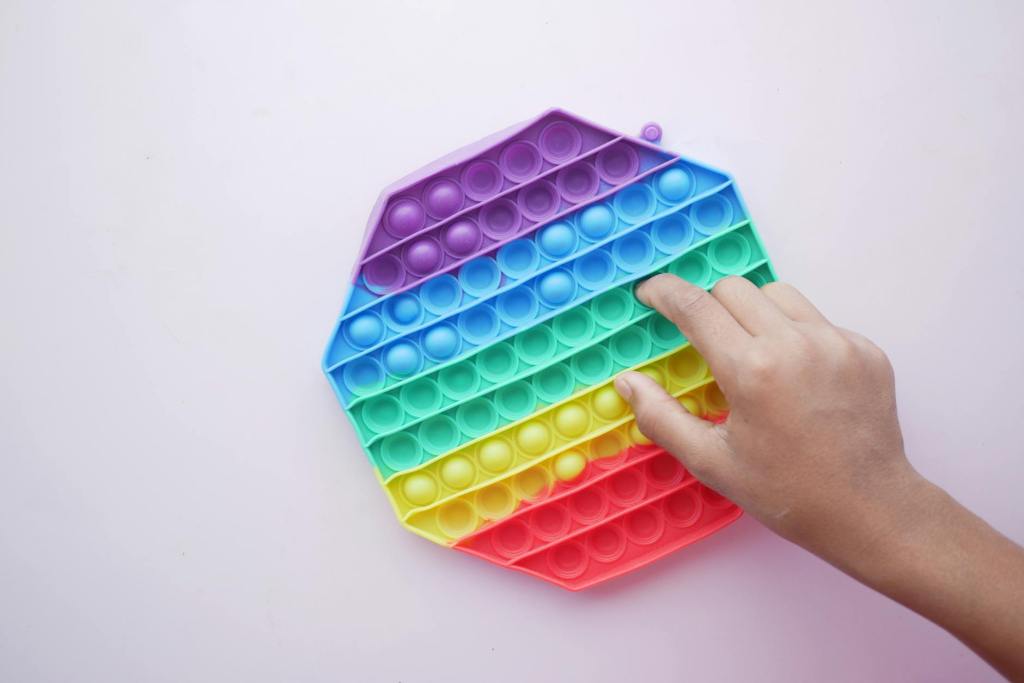
My Emergency Sensory Bag (And Why It Helped Me Cope With Overwhelm)
Learn how a simple emergency sensory bag can support trauma survivors through moments of overwhelm in public spaces. Grounding tools for emotional regulation.
-

The Movement My Body Chose Without Me Knowing Why
Discover how walking became a powerful tool for regulating emotions, releasing trauma, and reconnecting with the body. A personal story of healing through movement.
-

Why Do I Keep Saying Sorry? Understanding Overapologising as a Trauma Response
If you say “sorry” all the time—when you speak up, ask for help, or take up space—you’re not alone. Overapologising might be more than a habit. It could be a trauma response, and it’s something you can gently unlearn.
-

Trigger Warnings: Helpful or Harmful? My Love-Hate Relationship With Them
Trigger warnings can help us feel safe—but for some of us with trauma, they can also spark anxiety before anything even happens. Here’s my honest take on both sides.
-

Who Am I to Share My Story? Why Your Trauma Still Matters
Ever questioned if your story is worth sharing? If your trauma “counts”? You’re not alone—and your voice matters more than you think.
-

To the One I Love, Even When I Seem Distant
A letter for the moments I pull away — not because I don’t love you, but because I’m still learning how to stay. For anyone healing from trauma or navigating love while neurodivergent, you’re not alone.
-
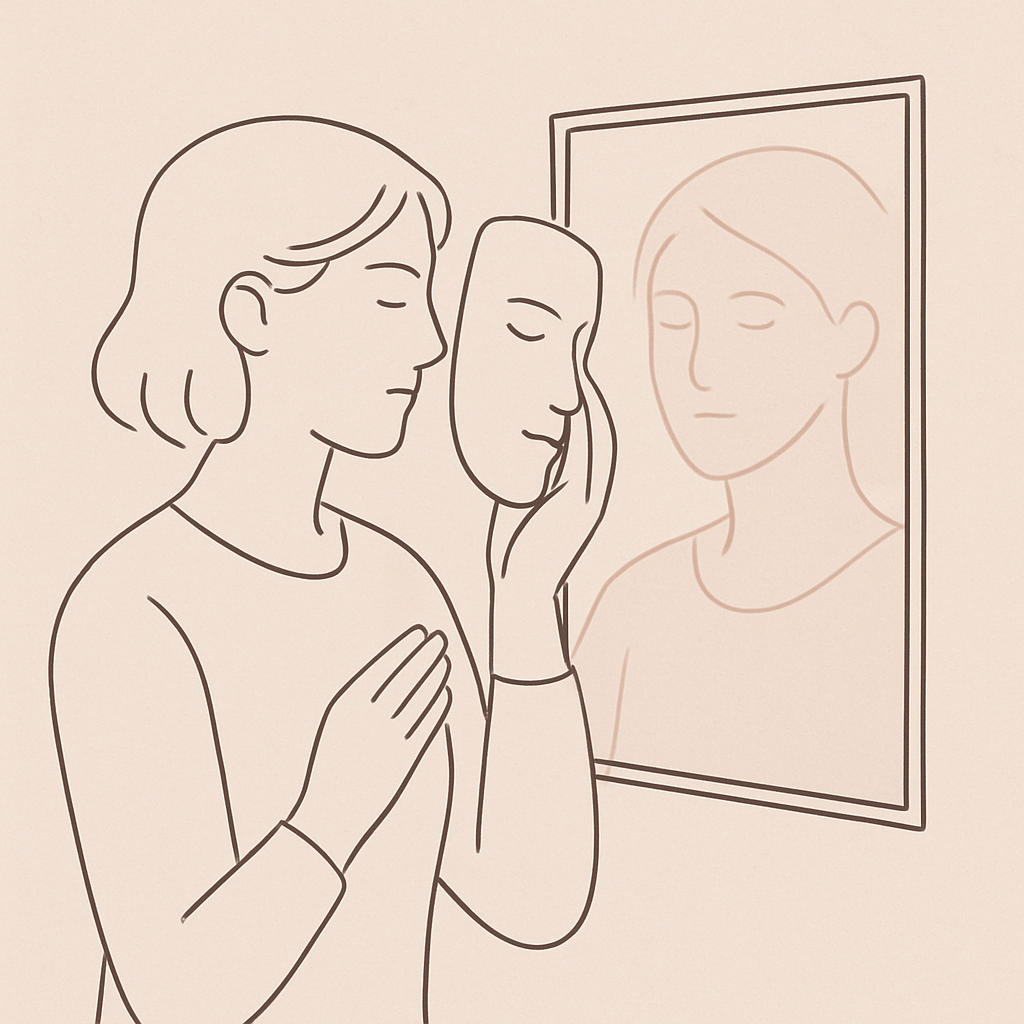
The Me I Thought I Had to Be: Letting Go of Perfectionism and People-Pleasing
Healing from trauma often means shedding the masks we wore for protection. This reflection explores perfectionism, people-pleasing, and reclaiming your identity beyond survival.
 Traversing Trauma